




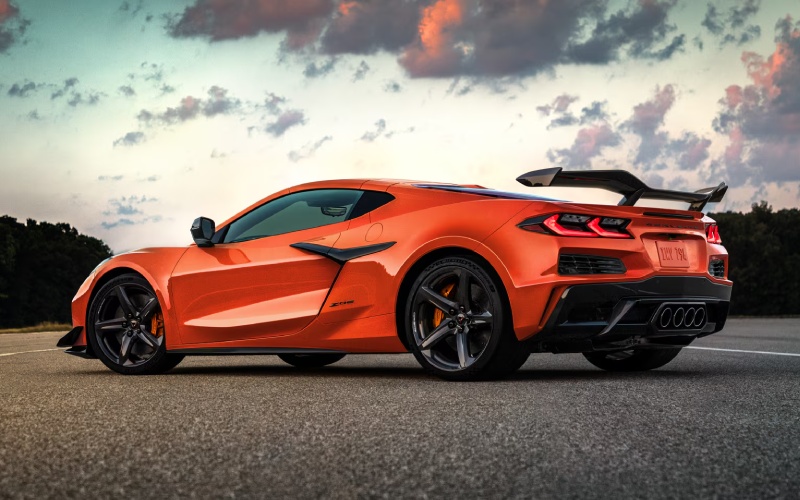
Chevrolet of Bucyrus – Why the Mid-Engine Design and Magnetic Ride Control Make the 2026 Chevrolet Corvette a Standout for Columbus, OH Drivers
When a performance car moves its engine behind the driver, everything from steering feel to corner exit traction changes for the better. That is the promise of the modern Corvette’s mid-engine layout—and it is why drivers around Columbus, OH keep searching for deeper details about how this configuration transforms real-world driving. Pair that architecture with available Magnetic Selective Ride Control, and you have a sports car that adapts to the moment, reads the road, and hands you a broader envelope of confidence than front-engine rivals typically offer. This guide zeroes in on those two pillars—mid-engine balance and adaptive damping—to explain how they pay off in daily use, weekend drives, and the occasional track session.
First, the mid-engine layout places more weight over the rear wheels, improving traction when you roll back into the throttle. On a tight on-ramp or a sweeping back road, that added purchase means cleaner acceleration and less drama. It also shifts the car’s polar moment of inertia closer to the center, making rotation more controllable and steering inputs feel purer. You notice it the moment you tip into a turn—the front end bites with intent, the rear follows with composure, and the car settles into a rhythm that encourages precision rather than theatrics. Moreover, mounting the engine behind the driver lowers the hood line, improving forward visibility and helping you pick your line with confidence in traffic and on twisty two-lanes.
Then there is available Magnetic Selective Ride Control, which continuously adjusts damping in response to the road surface and your chosen drive mode. In Tour, it smooths out patched pavement and bridge seams; in Sport or Track, it firms body control so you can brake later, turn in more decisively, and unwind the wheel with stability. For everyday commuting, this means the car feels calm and composed over expansion joints and rough sections. On spirited drives, it sharpens the chassis without introducing harshness that would fatigue you on longer trips. The best part is how seamless the system feels—no guesswork, no fiddling, just the sensation that the car understands what the road is asking and responds in stride.
If you are building your Corvette to cover everything from weekday miles to weekend adventures, consider the interplay between these two systems. The mid-engine foundation grants you inherent balance and traction; the adaptive damping makes that balance accessible on less-than-perfect surfaces. Together, they create a wider comfort and performance window, so you can enjoy precise turn-in and trustworthy rear grip without bracing for every bump or dip. It is this blend that makes the car as easy to live with as it is to push, and it is why the Corvette’s reputation for everyday usability continues to grow.
- Mid-engine balance: Improves traction on corner exit and fosters natural rotation with accurate steering feel.
- Adaptive damping range: Delivers everyday ride polish in Tour and disciplined body control in Sport or Track.
- Driver confidence: Expands the car’s capability window on imperfect roads without compromising precision.
- Visibility and control: Lower hood and centered mass help you place the car and read the road more clearly.
When you are ready to configure a car around these strengths, Chevrolet of Bucyrus can help you choose the right suspension options, tires, and seating to match your driving style. Our product specialists walk you through the tradeoffs—like summer performance tires versus all-season options—so your Corvette feels perfect for your climate and roads.
Frequently Asked Questions:
Does the mid-engine layout make the car harder to drive in daily traffic?
No—quite the opposite. The centered mass offers natural stability, and the low hood improves visibility, so the car feels composed and predictable in commuting conditions.
How does Magnetic Selective Ride Control help on rough pavement?
The system quickly adjusts damping to absorb sharp impacts and settle the body, reducing secondary motions that can make a sports car feel nervous on broken surfaces.
Is ground clearance a concern for driveways or speed bumps?
Many configurations offer a Front Lift system that raises the nose at low speeds, helping clear steep approaches and common obstacles without drama.
Can I tailor the car for both track days and road trips?
Yes. Drive modes change steering, damping, throttle, and exhaust character, while tire and brake options can be selected to match your priorities for either endurance or everyday comfort.
For shoppers seeking a single sports car that can pivot between weekday refinement and weekend agility, the Corvette’s mid-engine chassis and available Magnetic Selective Ride Control deliver a rare combination of poise and approachability. Whether you plan to carve up favorite roads or simply want a car that makes every commute engaging, the underlying engineering works to your advantage—without demanding compromises at every turn. You will find helpful guidance and a streamlined online process when working with a team serving Columbus, Ashland, and Bucyrus, including clear explanations of how each option influences the car’s character and capability. Start your build with confidence, dial in the features that matter most, and enjoy a performance car that truly meets you where you drive.
Request more 2026 Chevrolet Corvette information
Connect with us


- February 2026
- January 2026
- December 2025
- November 2025
- October 2025
- September 2025
- August 2025
- July 2025
- June 2025
- May 2025
- April 2025
- March 2025
- February 2025
- January 2025
- May 2024
- April 2024
- March 2024
- February 2024
- January 2024
- December 2023
- November 2023
- October 2023
- September 2023
- August 2023
- July 2023
- June 2023
- May 2023
- April 2023
- March 2023
- February 2023
- January 2023
- December 2022
- November 2022
- October 2022
- September 2022
- August 2022
Archives
- Buick Dealership
- Chevrolet
- Chevrolet Blazer
- Chevrolet BOLT EUV
- Chevrolet Bolt EV
- Chevrolet Camaro
- Chevrolet Colorado
- Chevrolet Corvette
- Chevrolet Corvette Stingray
- Chevrolet Dealer
- Chevrolet Dealership
- Chevrolet Equinox
- Chevrolet Equinox EV
- Chevrolet Malibu
- Chevrolet Parts
- Chevrolet sales event
- Chevrolet Service
- Chevrolet Silverado 1500
- Chevrolet Silverado 2500 HD
- Chevrolet Silverado 3500 HD
- Chevrolet Silverado EV
- Chevrolet Silverado HD
- Chevrolet Suburban
- Chevrolet Tahoe
- Chevrolet Tires
- Chevrolet Trailblazer
- Chevrolet Traverse
- Chevrolet Trax
- Chevy sales event
- Genuine Chevrolet parts
- Uncategorized
- used GMC Sierra 1500
- used vehicles